BotOnly

Warehouse automation playbook

What to automate first, which route fits, and which risks to control.

This playbook is for warehouse and factory teams considering AGV, AMR, autonomous forklift, or stacker automation. Use it to pin down your current stage, the real bottleneck, which route fits, a realistic picture of cost, and which risks to control before you talk to suppliers.
  • Know your stageSee whether you are still exploring the need, diagnosing a process, comparing options, building a business case, or getting ready to evaluate suppliers.
  • Avoid the trapsSee the project mistakes that lock you into the wrong scope, budget, or machine type before you commit.
  • Get the facts togetherTurn floor pain, workflow details, and cost facts into something you can take into an internal review.
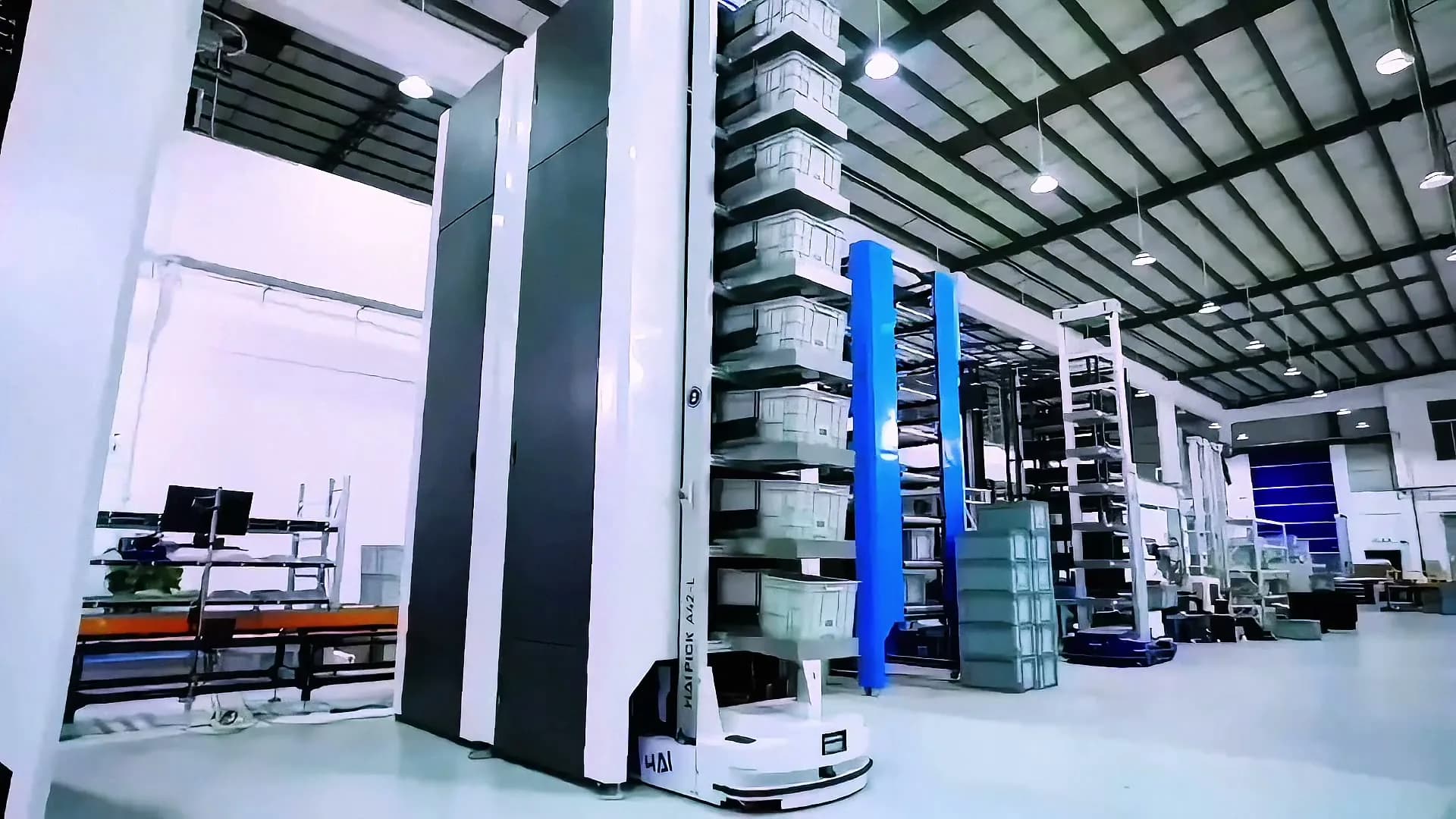
Warehouse automation vehicles operating in a facility

What this playbook helps you answer

What's hurting the operation, which process should change first, which automation type may fit, which costs sit beyond the equipment price, and what to lock down before install.

What you take back to the warehouse

Written for warehouse and factory teams deciding whether AGV, AMR, autonomous forklift, or stacker automation is the right next step.

  1. A way to tell if automation is the right next stepYou get the criteria the playbook uses: whether labor, space, throughput, or handling pain happens often enough, and whether it sits in a workflow automation can actually improve.
  2. A one-page pack for the first processYou get what to write down for one flow — start, end, load, peak volume, constraints, and a measure — so the first job is small enough to take into a meeting.
  3. A route match for that jobYou get a way to match AGV, AMR, autonomous forklift, or stacker to load, path, aisle, and handoff — not to a product name.
  4. A cost view beyond the equipment priceYou get the cost lines to put next to equipment price: integration, commissioning, training, spare parts, software licenses, rack or floor work, internal project time, and the cost of keeping the current process.
  5. What to bring and ask in a supplier meetingYou get a prep list for the meeting — layout, loads, volumes, constraints — and a question list every supplier should answer: assumptions, exclusions, tests, and who owns the system after go-live. Use both so quotes can be compared on the same warehouse job.

Contents

BotOnly
  1. Why warehouse teams need this playbook before choosing a solution?
  2. How to identify your current project stage?
  3. Common misconceptions that make warehouse automation projects fail?
  4. How to find the process that deserves automation first?
  5. How to compare AGV, AMR, autonomous forklift and stacker routes?
  6. How to build a realistic cost, ROI and value view?
  7. How to prepare for supplier comparison or a quote request?
  8. How to control implementation, testing and go-live risk?
  9. Category pitfalls to check before final selection?
  10. Warehouse-team preparation checklist?

Before you commit

Mistakes warehouse teams make before the first machine arrives.

The playbook covers these traps in more detail, plus others that do not fit on this page. Five of them are below. The checks behind them are in the full playbook.

  1. Hoping a machine will fix an unclear process

    What still has to be named before a machine can help.

  2. Trying to automate the whole warehouse at once

    Why a first project needs a boundary — and what that boundary looks like.

  3. Trusting the lowest quote

    Which cost lines a cheap price often leaves out.

  4. Letting suppliers define the demand

    What to freeze on the warehouse side before quotes arrive.

  5. Expecting perfect results on day one

    How to treat go-live as a test window, not a finished result.

Enter your work email to get the full playbook — the complete trap list and the checks behind these five — before budget review, supplier comparison, or requesting a quote.

Get the playbook

Built for warehouse and factory teams that feel the pressure and still need a clear first move.

You may already feel the pressure: rising labor cost, unstable throughput, long walking distance, pallet handling risk, difficult replenishment, limited space, poor visibility or delayed order response. The hard part is turning those symptoms into the right first automation question.

This playbook starts from your operation: the pain on the floor, which process to change first, which route may fit, what the project really costs, and what to lock down before installation.

  • If you lead operations

    Clarify bottlenecks, process boundaries, workload, exceptions, and the first workflow worth evaluating.

  • If you lead engineering

    Prepare load, route, handoff, integration, network, safety, and validation questions before design work starts.

  • If you lead procurement

    Compare quotes against one workflow, one cost list, and the same tests after launch.

We use Google Analytics to understand how visitors use BotOnly. Analytics stays off unless you choose to allow it. See our Cookie Policy.