

Do You Need Technical Skills to Operate a Humanoid Robot?
No engineering degree required: what 3-hour training covers, real learning curves, operation modes, and when professional operators are worth the cost.
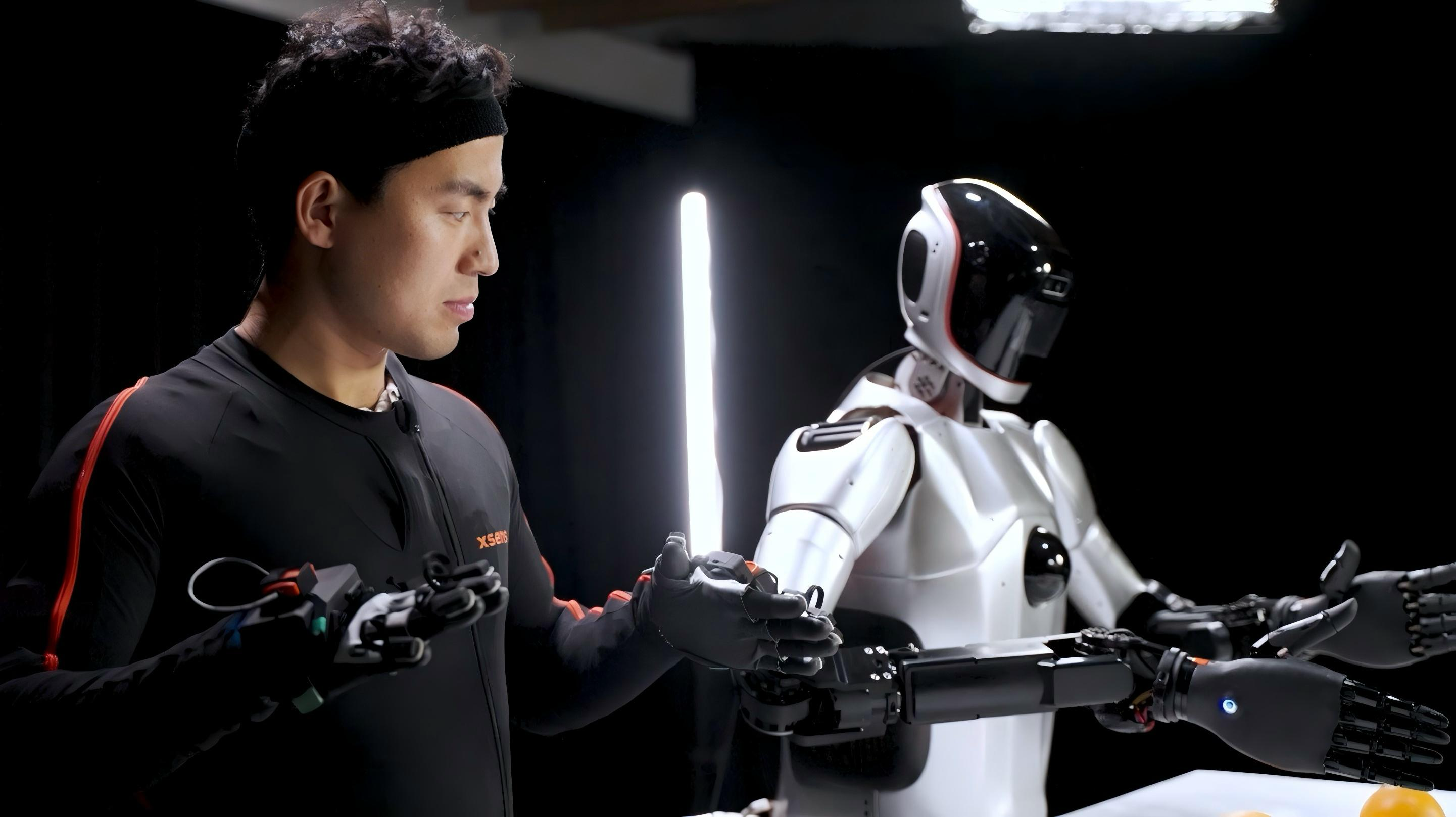
"Do I need to be a robotics engineer to operate a humanoid robot?" This is the #1 question event planners, marketing directors, and university administrators ask before booking their first rental. The short answer: No. The realistic answer: It depends on what you want the robot to do—and who trained you.
What "Operating" Actually Means in 2026
Modern commercial humanoid robots have three operation modes: 1. Supervised Demonstration Mode (No Technical Skills Required)—Operator uses tablet or remote control, pre-programmed routines (walk, wave, dance, pose), emergency stop button for safety. Training time: 30-60 minutes. Who can do it: Event staff, marketing teams, educators. 2. Interactive Programming Mode (Basic Technical Skills)—Modify voice responses and gestures, adjust operating parameters, troubleshoot common errors. Training time: 3-4 hours. 3. Advanced Development Mode (Engineering Required)—Custom behavior programming (Python, ROS), sensor integration and AI model training, hardware modifications. Training time: Weeks to months. For events and demonstrations, you're operating in Mode 1.
What's Included in Standard Rental Training
Most rental agreements include a 3-hour hands-on training session covering: Hour 1: Safety and Fundamentals (emergency stop procedures, safe handling and transport, battery management and charging, identifying warning indicators). Hour 2: Operation and Control (tablet interface navigation, executing pre-programmed routines, managing guest interactions, adjusting volume, speed, and positioning). Hour 3: Troubleshooting and Scenarios (common error messages and fixes, Wi-Fi connectivity issues, restarting and calibration procedures, when to contact technical support).
Real-World Learning Curve: What Users Report
After 30 Minutes: Can start/stop robot safely, execute basic commands (walk, stop, return to base), understand emergency protocols. After 2 Hours: Comfortable operating full event shift, handle routine guest interactions, perform battery swaps, troubleshoot minor issues independently. After 1 Day of Event Operation: Anticipate robot behavior and timing, optimize positioning for crowd flow, customize interactions for different audiences, coordinate with booth staff seamlessly. Compare this to other event technology: Professional video switcher (4-8 hours), Interactive LED display systems (3-6 hours), VR experience stations (2-4 hours).
Bottom Line: Realistic Expectations
You do NOT need: Engineering degree or technical background, programming experience, prior robotics knowledge. You DO need: 3-4 hours of focused training, comfort with tablet/touch screen interfaces, willingness to follow safety protocols, basic problem-solving skills (like troubleshooting Wi-Fi or printers). The humanoid robot industry has deliberately made commercial operation accessible to non-technical users. If you can manage a trade show booth's A/V setup or operate a digital signage system, you can operate a humanoid robot after proper training.
Ready to evaluate robots?
Tell us what your operation needs, or compare models side by side.