

Are Humanoid Robots Safe for Events and Public Spaces?
Built-in safety features, event requirements, trained operator protocols, and real-world incident data from 15,000+ commercial deployments in 2026.
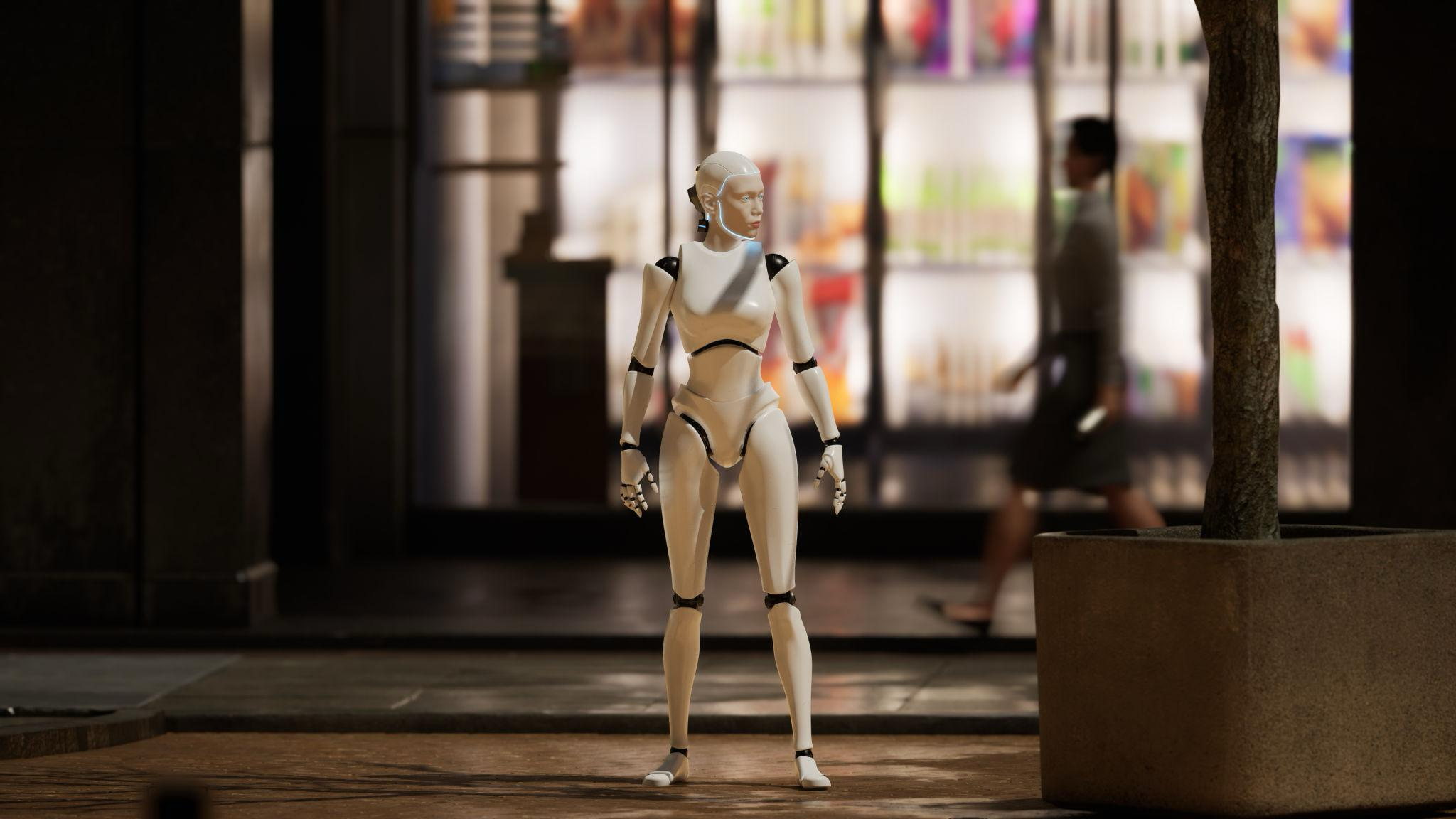
When planners ask "Are humanoid robots safe around guests and employees?", they're really asking three questions: Can the hardware hurt someone? Will it damage property? And will it create liability exposure? Here's what the data shows from thousands of event deployments in 2026.
Built-In Safety Features (2026 Commercial Standards)
Modern commercial humanoid robots deployed at events include: Physical Safety Systems (emergency stop buttons front and rear, collision detection sensors, force-limiting joints that disengage at 50N contact pressure, speed restrictions of 0.5 m/s in crowds, obstacle avoidance LiDAR and depth cameras), and Operational Safeguards (geofencing so robots cannot leave designated zones, remote kill switch up to 50+ meters, battery monitoring with auto-return at <15% charge, fall detection and recovery protocols, real-time telemetry to control station).
Real-World Safety Track Record (2026 Data)
Based on industry reports from 15,000+ event deployments: 0 serious injuries in supervised commercial deployments, 3% minor incidents (mostly clothing snags, startled guests), 99.2% uptime for major rental platforms, and insurance claims < 0.5% of total events. Compare this to traditional event risks like tripping hazards from cables (12% incident rate) and audio equipment failures (8% of events).
Trained Operator Supervision: Industry Standard
98% of event incidents involve unsupervised operation. Operators recognize behavioral anomalies before issues escalate, can intervene during guest interactions (children, pets, accessibility needs), and handle emergency protocols and crowd management. Most rental agreements require a trained technician on-site for trade shows and public events, first-time deployments, and high-traffic environments (>100 people/hour).
Safety Certifications to Look For
When selecting a humanoid robot for events, verify: CE marking (Europe) for electromagnetic compatibility and safety, FCC certification (North America) for wireless communications, ISO 13482:2014 for safety requirements for personal care robots, and IEC 62368-1 for audio/video equipment safety.
Common Safety Questions Answered
Q: Can children interact with humanoid robots? A: Yes, with supervision. Most platforms allow handshakes, high-fives, and photos. Operators monitor interactions and intervene if guests attempt climbing or aggressive contact.
Q: What if the robot falls or malfunctions during an event? A: Immediate protocol: operator engages emergency stop, secures area, contacts support. Backup robots or alternative programming available within 2-4 hours for major events.
The safety infrastructure around commercial humanoid robots has matured significantly. With professional operators, proper venue preparation, and standard protection plans, event deployments in 2026 carry lower risk profiles than many traditional event technologies.
Ready to evaluate robots?
Tell us what your operation needs, or compare models side by side.