

Which Industries Are Deploying Humanoid Robots in 2026?
Real-world deployments across manufacturing, logistics, healthcare, hospitality, education, retail events, and security—8,000-12,000 units globally.
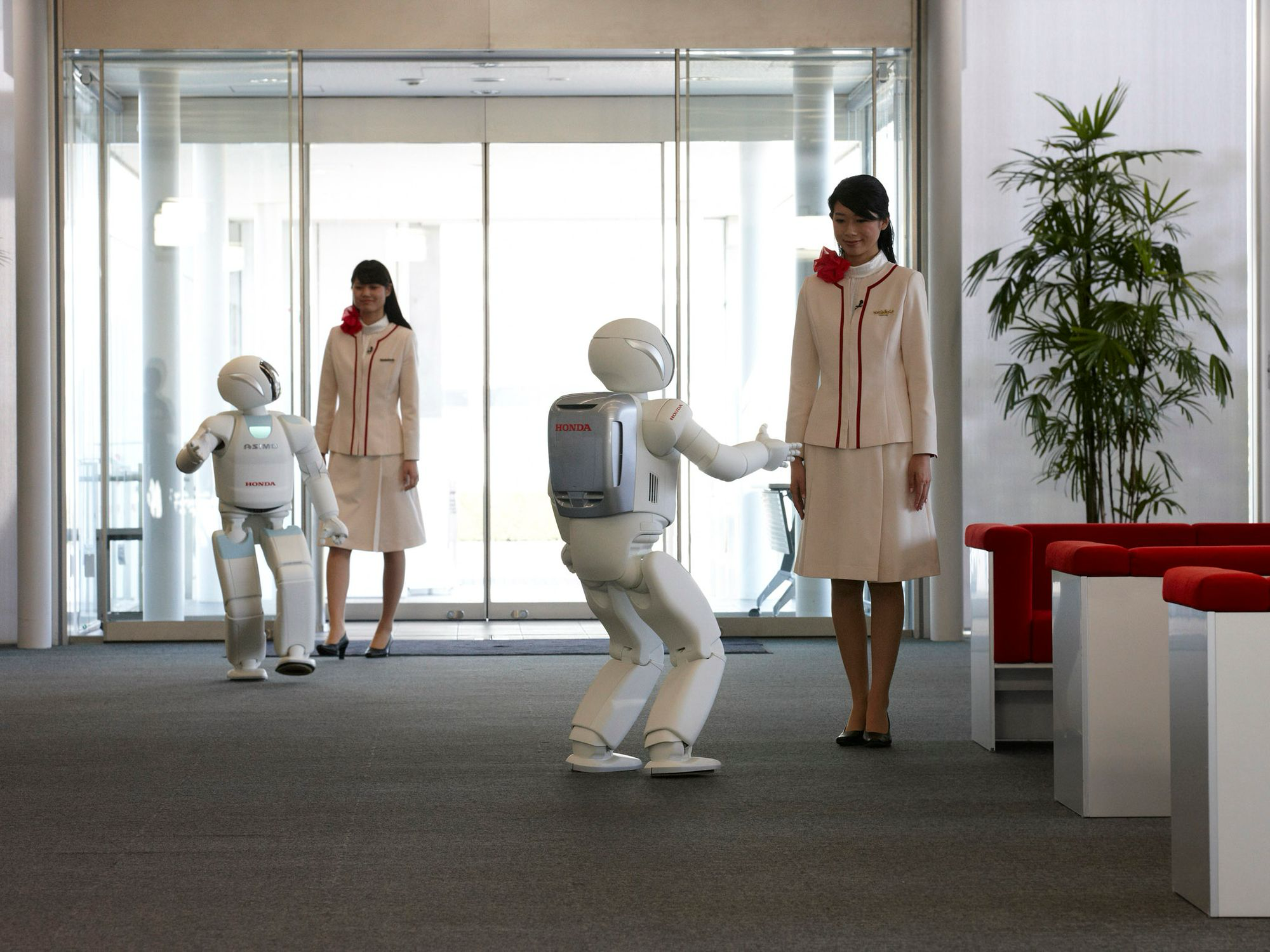
Humanoid robots have moved from research labs to commercial deployments across seven primary industries in 2026—but adoption patterns vary dramatically based on workspace constraints, labor economics, and regulatory frameworks. Here's where the real-world pilots are happening and what's actually working.
Manufacturing and Assembly (Leading Adopter)
Deployment Scale: 8,000-12,000 units globally (2026 estimate). Primary Use Cases: Light assembly, material handling, quality inspection, machine tending. Why Humanoid Form Factor Matters: Existing facilities designed for human workers (no floor redesign needed), can use same tools and workstations as human counterparts, flexible deployment—move between tasks as production demands shift, works alongside human workers in collaborative zones. Real-World Deployments: Automotive suppliers doing parts kitting and sub-assembly (BMW, Mercedes pilots), electronics manufacturing for PCB handling and visual inspection (AgiBot factory deployments), aerospace for composite layup assistance. Economics: Break-even vs. human labor at 18-36 months with $30K-$50K robot cost, advantages of 24/7 operation and consistent quality, limitations of 15-30 kg payload and slower than purpose-built automation.
Logistics and Warehousing (Rapid Growth)
Deployment Scale: 3,000-5,000 units globally. Primary Use Cases: Order picking, box handling, inventory audits, trailer loading/unloading. Why Humanoids Over AMRs/AGVs: Can climb stairs and navigate multi-level facilities, handle variable packaging (not all boxes fit on conveyors), reach high shelves and mezzanine storage, adaptable to seasonal warehouse layout changes. Real-World Deployments: Agility Robotics (Digit) in Amazon and DHL pilots for tote handling, refinery and petrochemical pipe inspection and valve reading in catwalks (Boston Dynamics Atlas tests), cold storage in low-temperature environments unsuitable for humans long-term.
Healthcare and Elderly Care (Emerging)
Deployment Scale: 500-1,200 units globally. Primary Use Cases: Patient monitoring, medication delivery, mobility assistance, companionship. Real-World Deployments: Japan and South Korea elderly care facilities (RIKEN, Hanson Robotics pilots), U.S. hospitals for medication delivery and linen transport (Diligent Robotics), rehabilitation centers for gait training assistance and physical therapy support. Economics: Addresses severe nursing shortages (400,000 shortage in U.S. alone), cost-effective for repetitive tasks freeing nurses for critical care. Adoption Barriers: Regulatory approval (FDA, CE marking), privacy concerns, hygiene protocols, liability and malpractice insurance questions.
Hospitality and Customer Service
Deployment Scale: 2,000-3,500 units globally. Primary Use Cases: Hotel concierge, restaurant hosting, retail assistance, airport wayfinding. Real-World Deployments: Hotels for check-in assistance and room service delivery (Henn-na Hotel, Japan), restaurants for greeting and seating and food delivery (multiple China pilots), retail for product location and inventory checks (Softbank Pepper successor models), airports for flight information and terminal navigation (Seoul Incheon, Tokyo Haneda).
Retail and Marketing Events
Deployment Scale: 5,000-8,000 units (mostly short-term rentals). Primary Use Cases: Trade show demonstrations, product launches, promotional activations, brand experiences. Real-World Deployments: Trade shows like CES, MWC, Hannover Messe (hundreds of exhibitor booths), retail activations in pop-up stores and shopping mall promotions, corporate events for product launches and shareholder meetings and recruitment fairs. Economics: Rental model dominates ($500-$2,500/day), ROI measured in lead generation and brand impressions, cost-competitive with professional entertainers.
Cross-Industry Patterns: What's Working vs. Hype
Successful Deployments Share These Traits: Structured environments (predictable layouts, controlled conditions), repetitive tasks (where consistency outweighs human adaptability), labor shortages (where humanoids fill gaps, not displace), safety benefits (hazardous, ergonomically stressful, or monotonous work), realistic expectations (pilot programs, not bet-the-company deployments). Struggling Deployments Typically Involve: Unstructured environments (outdoor, variable terrain), high dexterity requirements (fine assembly, delicate handling), complex decision-making (beyond pre-programmed routines), speed requirements exceeding current capabilities, unrealistic expectations (attempting to replace skilled human workers 1:1).
What 2027-2028 Will Likely Bring
Near-Term Expansion: Construction for material transport and site inspection (pilots expanding), agriculture for harvesting and inspection in greenhouses (controlled environments), facility maintenance for HVAC inspection and cleaning in industrial settings. Technology Drivers: Battery life improvements (4-6 hour shifts becoming standard), enhanced manipulation (two-handed coordinated tasks), better sim-to-real transfer (faster deployment in new environments), edge AI processing (less reliance on cloud connectivity). The humanoid robot industry in 2026 is past the "science project" stage but still in early commercial adoption.
Ready to evaluate robots?
Tell us what your operation needs, or compare models side by side.