
Humanoid Robot Event Rental: Complete Planning Guide for 2026
How far in advance to book, what venues must provide, customization options, day-of logistics, and backup plans for successful trade show and conference deployments.
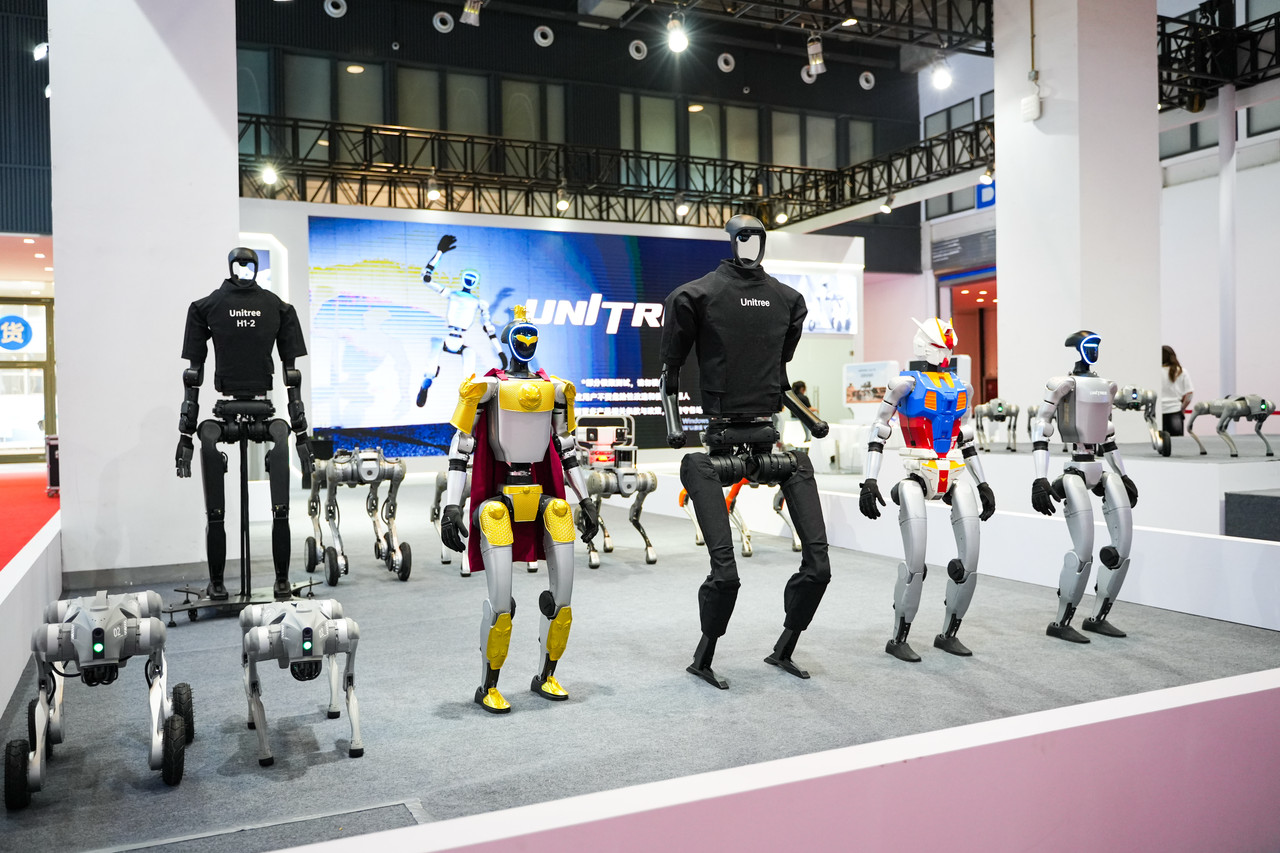
You've decided a humanoid robot would elevate your trade show booth, product launch, or corporate event—but how much lead time do you need, what logistical headaches should you anticipate, and what makes the difference between a memorable activation and a technical disaster? Here's the complete planning guide from 500+ successful event deployments.
Timeline: How Far in Advance to Book
2-3 Weeks Minimum for standard events like corporate conferences and trade show booths. 4-6 Weeks for complex deployments with multi-robot choreographed demonstrations, custom programming, international shipping, or first-time venues requiring site surveys. Last-Minute Bookings (72 Hours) have limited robot availability, 30-50% premium pricing, standard programming only, and higher cancellation penalties.
What Your Venue Must Provide
Mandatory: Flat, obstacle-free operating zone (minimum 3m × 3m), stable Wi-Fi network (5 Mbps minimum, dedicated SSID preferred), standard electrical outlet within 20 meters, and load-in access for delivery team and equipment case. Strongly Recommended: Crowd control barriers or stanchions, signage indicating robot demonstration area, backup power plan (battery swap space), and staff briefing room for operator training session.
Day-of-Event: What Actually Happens
Setup Phase (40-60 minutes): Delivery team arrives with robot in protective case, unpacks and inspects robot, positions robot in designated area, connects to power and Wi-Fi, runs calibration and systems check, then briefs your staff on interaction protocols. During Event: Trained operator monitors robot performance, battery swaps every 2-4 hours, operator manages guest interactions and safety, real-time adjustments to programming if needed, and photo/video documentation for your marketing use. Teardown (30 minutes): Power down robot following shutdown protocols, pack into transport case, collect promotional materials, and load and depart.
Customization Options: What's Possible vs. What's Practical
Easy Customizations (No Extra Cost): Branded t-shirts or vests, pre-programmed voice greetings, basic gesture routines, and operating hours adjustments. Moderate Customization ($500-$1,500): Custom dance choreography or synchronized movements, multi-language voice responses, integration with event app or registration system, and branded projection mapping. Complex Customization ($2,000-$5,000+): Multi-robot coordinated demonstrations, AI-powered conversation with context-aware responses, integration with external hardware, and custom software features requiring development.
Cost Breakdown: Typical Trade Show Deployment
Example: 3-Day Conference Booth (8 hours/day): Base rental (daily rate): $1,500 × 3 = $4,500; Operator/technician (included in most rentals): $0; Delivery/collection (within 100 miles): $0; Custom branded shirt: $0; Wi-Fi and power: $0 (venue provides). Total: $4,500. With add-ons like custom choreography (+$800), second robot (+$3,000), extended hours (+$600), and video documentation package (+$400), total with add-ons: $9,300.
Measuring ROI: Event Success Metrics
Quantitative Metrics: Booth visitor count (40-200% increase typical with robot presence), social media impressions (track event hashtag + robot mentions), lead capture rate (badge scans, email signups), and dwell time (visitors stay 2-3× longer at robot-enabled booths). Humanoid robot event rentals have become turnkey in 2026, with professional logistics and support infrastructure. The key to success: clear communication with rental partners, realistic expectations on robot capabilities, and treating the robot as part of your broader event strategy.
Ready to evaluate robots?
Tell us what your operation needs, or compare models side by side.